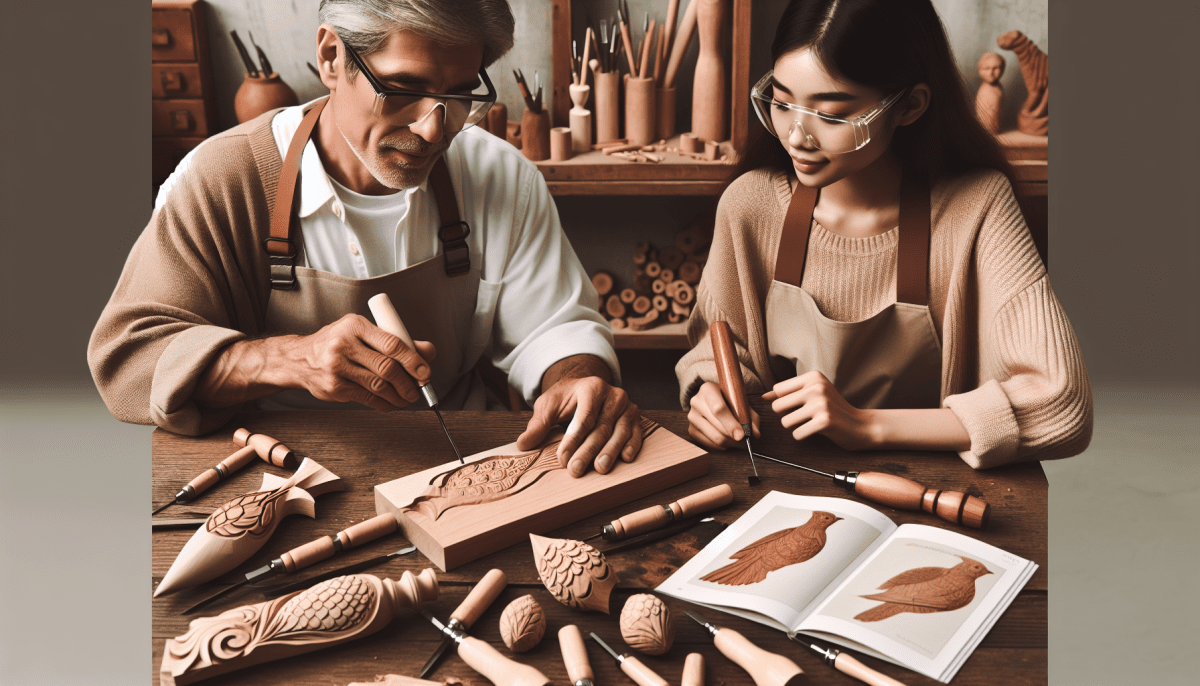
When it comes to wood carving, having the right tools makes all the difference. You don’t need a whole workshop filled with fancy gadgets; just a few essential tools will kickstart your journey. Whether you're looking to create simple projects or diving into something a bit more complex, the right gear sets you up for success.
First, you'll want a reliable carving knife. A good quality knife helps you make clean cuts and allows for more precise detail work. Look for a knife with a comfortable grip—a tool that feels good in your hand can keep you carving longer without fatigue.
Don’t forget about a carving gouge. These tools have different shapes and sizes, which lets you scoop out material easily. A basic set with a few various gouges will be incredibly handy as you explore different techniques and styles.
Other handy tools include a mallet, which helps you apply force to your gouges, and sandpaper for finishing touches. A sturdy workbench or carving station can also elevate your experience by providing a solid surface and making everything easier to reach.
Finally, safety gear matters too! A simple pair of cut-resistant gloves can save your fingers from accidental nicks. With the right tools and some safety in mind, you’ll be ready to dive into your wood carving projects with confidence.
Choose Your First Wood Piece
When you're just starting with wood carving, picking the right piece of wood can make all the difference. It’s best to choose something that's easy to work with, like basswood or pine. These woods are soft, which means they’re easier to cut and shape, perfect for beginners.
Look for a piece of wood that’s not too large. A block that’s about 4 inches by 6 inches is a great size to practice on. It’s manageable, and you won’t feel overwhelmed. Plus, it gives you enough space to try different techniques without wasting material.
Check for knots and cracks in the wood. You want a smooth surface to work on, so avoid pieces with a lot of imperfections. If you can, choose a solid piece that feels good in your hands. You’ll be more motivated to carve if you enjoy working with your wood.
Finally, don’t be afraid to ask for help! If you’re at a craft store, the staff usually knows a lot about different types of wood. They can guide you on the best choices for your first carving project.
Learn Basic Carving Techniques
Ready to dive into wood carving? Learning the basics is super fun and will set you up for loads of creative projects. Let’s go over some essential techniques to get you started on your carving journey!
First up, try practicing your grip. Hold your carving knife comfortably, with your fingers wrapped around the handle. This helps you maintain control. Keep your other hand steady on the wood to guide your knife. It might take a little getting used to, but once you find the right balance, you’ll feel more confident.
Next, focus on your cutting motions. Start with simple shapes. Short, controlled strokes work best, especially when you’re just starting out. Don’t press too hard; let the knife do the work. Gradually increase your pressure as you get more comfortable.
As you practice, pay attention to your wood grain. Carving with the grain gives you smoother results, while cutting against it can lead to rough spots. With a little patience, you’ll start to see beautiful shapes take form. Just remember, practice makes perfect!
Practice Safety While Carving
When you’re diving into wood carving, staying safe should be at the top of your list. Accidents can happen, but a little preparation goes a long way. Here are some essential safety tips to keep in mind.
First off, grab a good pair of carving gloves. These gloves help protect your hands from slips and accidental cuts. Look for ones that are cut-resistant but still allow you to feel what you're working on. You don’t want clumsy fingers while carving!
Next, make sure you’re using sharp tools. It sounds strange, but dull tools can be more dangerous. They require more force to carve, which increases the risk of slipping. Keeping your tools sharp means smoother cuts and way less effort.
Don’t forget to pay attention to your workspace. Always carve on a stable surface, like a workbench. Ensure there’s enough light so you can see what you’re doing. A clutter-free area helps keep your mind on the carving rather than dodging around your stuff.
Lastly, keep a first aid kit nearby. It’s always better to be safe than sorry. Having some band-aids and antiseptic on hand can make a huge difference if a small accident happens. Remember, carving should be fun, so take a moment to stay safe and enjoy the process!